
REFERENCE METHOD
EPA Method 9, explained
The reference method that almost every opacity limit in the United States is written against was created in the late 1800s and has not been revised since. Here’s what it leaves behind.
What Method 9 asks for
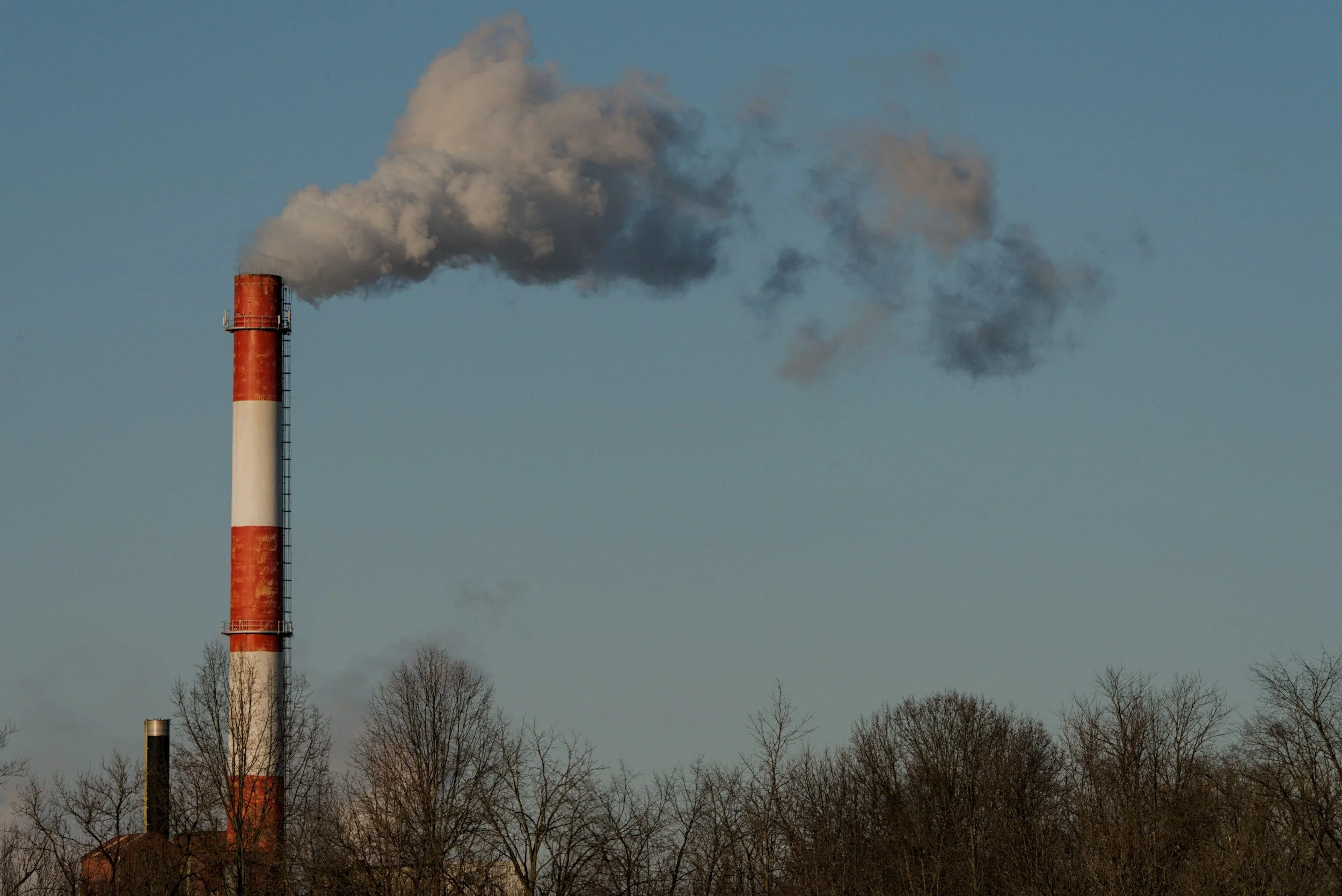
Method 9 asks a certified observer to stand in a field and estimate how much a plume obscures what is behind it. No instrument, no camera — a trained eye and a stopwatch.
It is promulgated under Section 111 of the Clean Air Act and codified at 40 CFR Part 60, Appendix A. Federal opacity standards by industry sit in 40 CFR Part 60.
The observer does not stare at the plume. They glance at it once every fifteen seconds and record what they see, in five percent increments. Twenty-four consecutive readings form one six-minute block, and the average of those twenty-four is a single opacity reading.
What the observer records
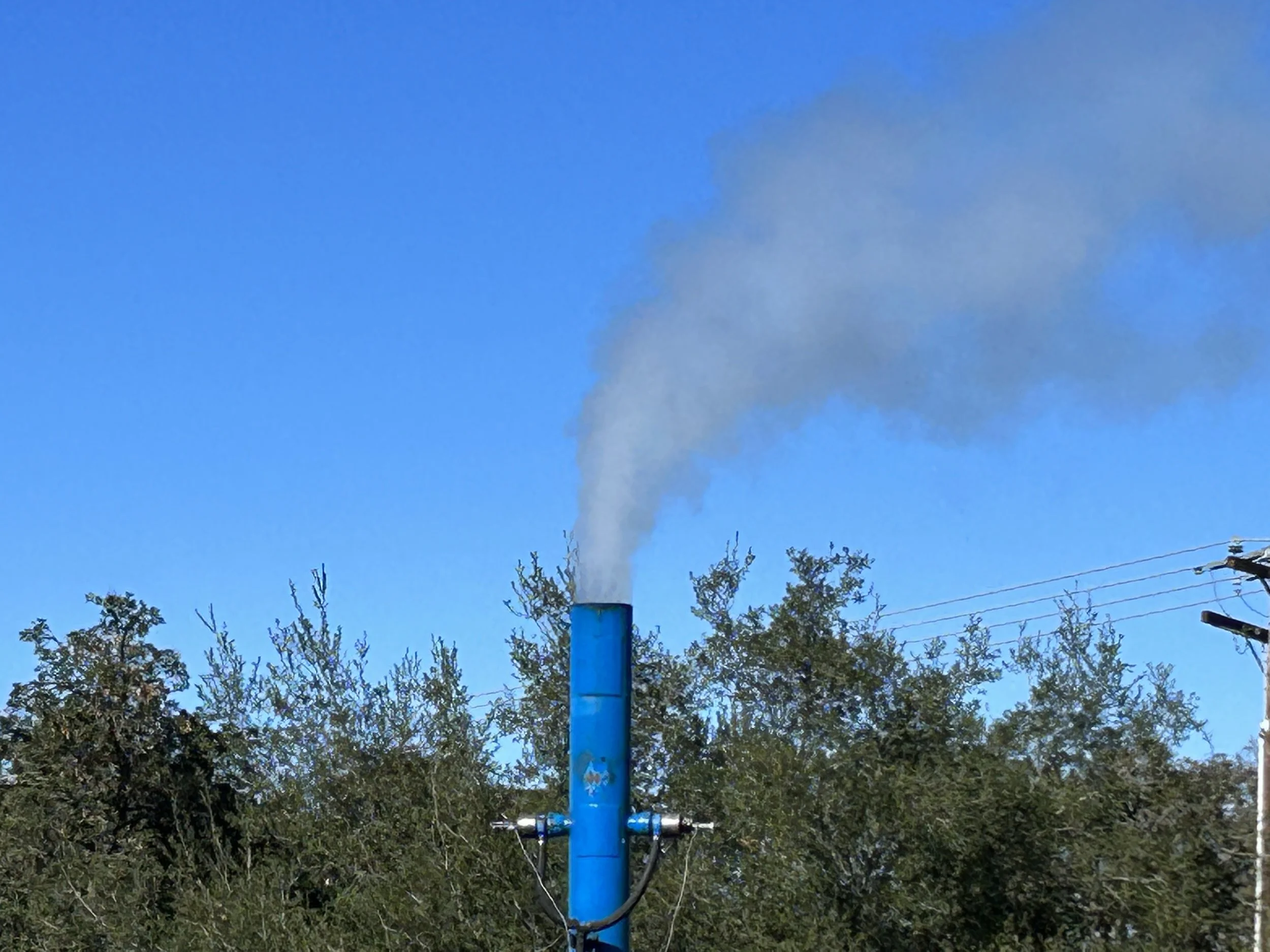
Sun at the observer's back, as close to perpendicular to the plume as the sighting sector allows
Readings taken at the point of greatest opacity, where condensed water vapor is not present
A missed interval recorded as a dash with a written explanation, not simply skipped
Facility, emission point, observer name and affiliation, distance, wind, sky condition and plume background recorded alongside
A hand sketch of the sun, north and the observer’s position against the emission point, with distance from a range finder and bearing from a compass.
Getting certified
Observers certify at what the industry calls smoke school. Classroom training covers the principles of visible emissions; field certification requires reading plumes from a smoke generator at known opacity values within the method's accuracy criteria.
Field certification lasts six months. An observer reading on an expired certification is not producing a Method 9-compliant observation, however accurate the number happens to be.
What it does well, and where it's exposed
None of this is a criticism of the method. But its weak points are specific, and they are the reason EPA approved a digital alternative.
Strengths
Portable and simple
Immediate result, with no waiting on analysis
Fifty years of enforcement and case history behind it
Accepted by every federal, state and local agency
Known weak points
The reading is one person's judgment, made in real time, with nothing to review afterward
Smoke school trains observers on a generator instead of on real emissions sources
The plume itself is not preserved, so the observation cannot be independently re-examined
Certification lapses every six months, so a scheduling gap is a coverage gap
Courts have long treated the subjective nature of the reading as something to weigh
THE APPROVED ALTERNATIVE
EPA ALT-082 approves ASTM D7523 as an alternative to Method 9.
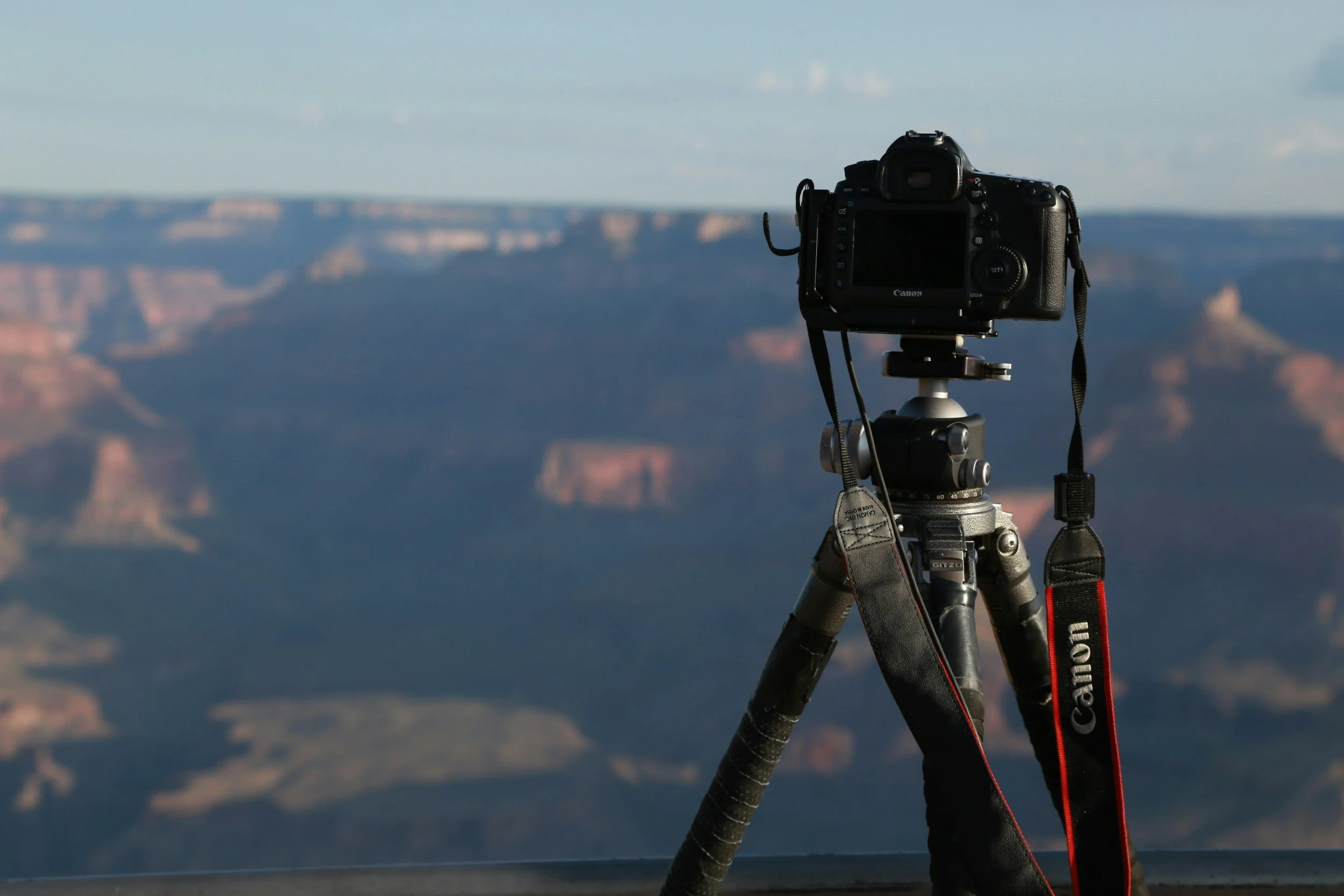
Published in February 2012 as Broadly Applicable Alternative Method 082, it lets a DCOT observation be used in lieu of Method 9 across 40 CFR Parts 60, 61 and 63. It uses Method 9 principles for every observation. What changes is that a camera records the visible emissions instead of the observer estimating the opacity by eye, and the images stay with the record.