
EPA ALT-082 · ASTM D7520
The EPA-approved alternative to Method 9.
Opacity readings that hold up after the inspection. Virtual Technology builds the digital camera systems that replace the human eye in visible emissions compliance — and leave behind a permanent, defensible record of every observation.
EPA ALT-082
Broadly Applicable Alternative Method 082, can be used in lieu of Method 9 for all of 40CFR60, 61, and 63. Published Feb 2012.
ASTM D7520
Certified under the Digital Camera Opacity Technique (DCOT) our work helped establish
Required by EPA
The specified opacity method under the Ferroalloys NESHAP
DoD & USAF
Developed under federal R&D contract beginning 2006
GSA SCHEDULE
Available for
direct government procurement
THE PROBLEM WITH METHOD 9
A compliance record shouldn't depend on what one person remembers seeing.
Method 9 asks a certified observer to stand in a field and estimate plume opacity by eye, in five percent increments, every fifteen seconds for six minutes. It works. But the reading exists only as a number on a form, and the observer's certification has to be renewed in person, repeatedly, at cost.
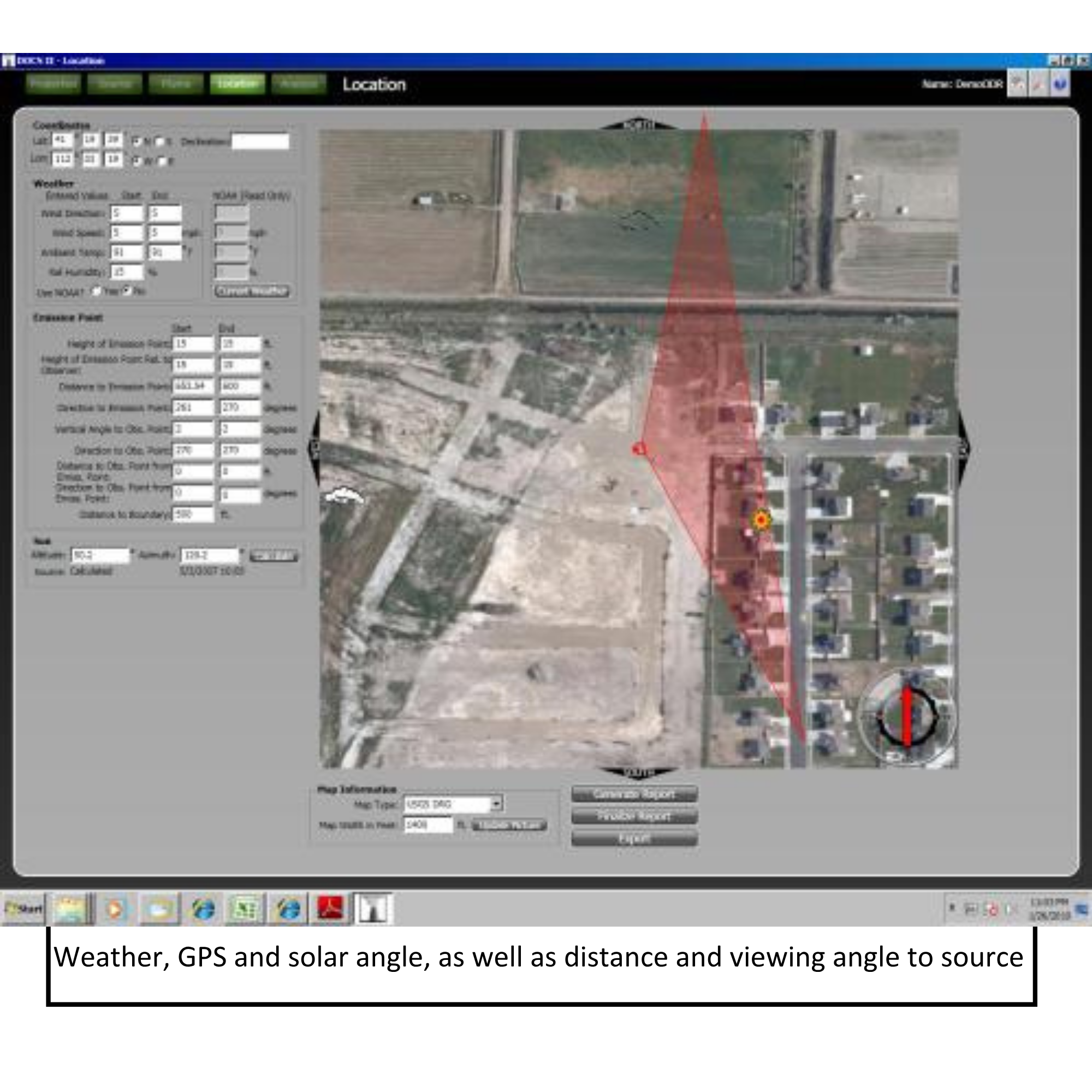
DOCS II captures the same observation through a digital camera and analyzes it against calibrated reference values. You get the reading — plus the image it came from, the observer's position and distance, direction of view, sky and weather conditions, and where the sun was at that exact moment. When a permit is questioned three years later, the evidence is still there.





WHO IT’S FOR
Who we serve — the people who take the reading, and the people who check it.
Whether you are a regulatory agency or a permitted facility, DOCS II ensures accurate and defensible documentation.
Agencies & Regulators
Federal, state and local air quality programs running DOCS II for their own inspections — and reviewing observations filed with them.
Direct procurement through the GSA schedule
One certified configuration across every inspector in a region or district
Operator training and recertification coordinated for agency staff
Each reading tied to its imagery, position, distance, bearing, sun angle and weather
A complete trail from capture through analysis to confirmation
Facilities & Industry
Permitted sources demonstrating compliance with an opacity limit — and defending that demonstration when it gets questioned.
The reading comes from calibrated analysis of a captured image, not an estimate made in the moment
The frame it was derived from stays in the record — nothing depends on what an observer remembers seeing
If a reading is challenged, we stand behind it: certification records, the underlying analysis, and technical support through the proceeding
One procedure across every site, operator and shift
Records export for permit reporting and agency submittal
OUR COMMITMENT
One practice: measuring, documenting and defending the opacity of visible emissions. DOCS II is the system of record it's built around.
What we do
Visible emission monitoring
DOCS II turns the paper Method 9 observation into a digital record that is retrievable, reproducible and defensible years after the reading. For stationary and fugitive sources.
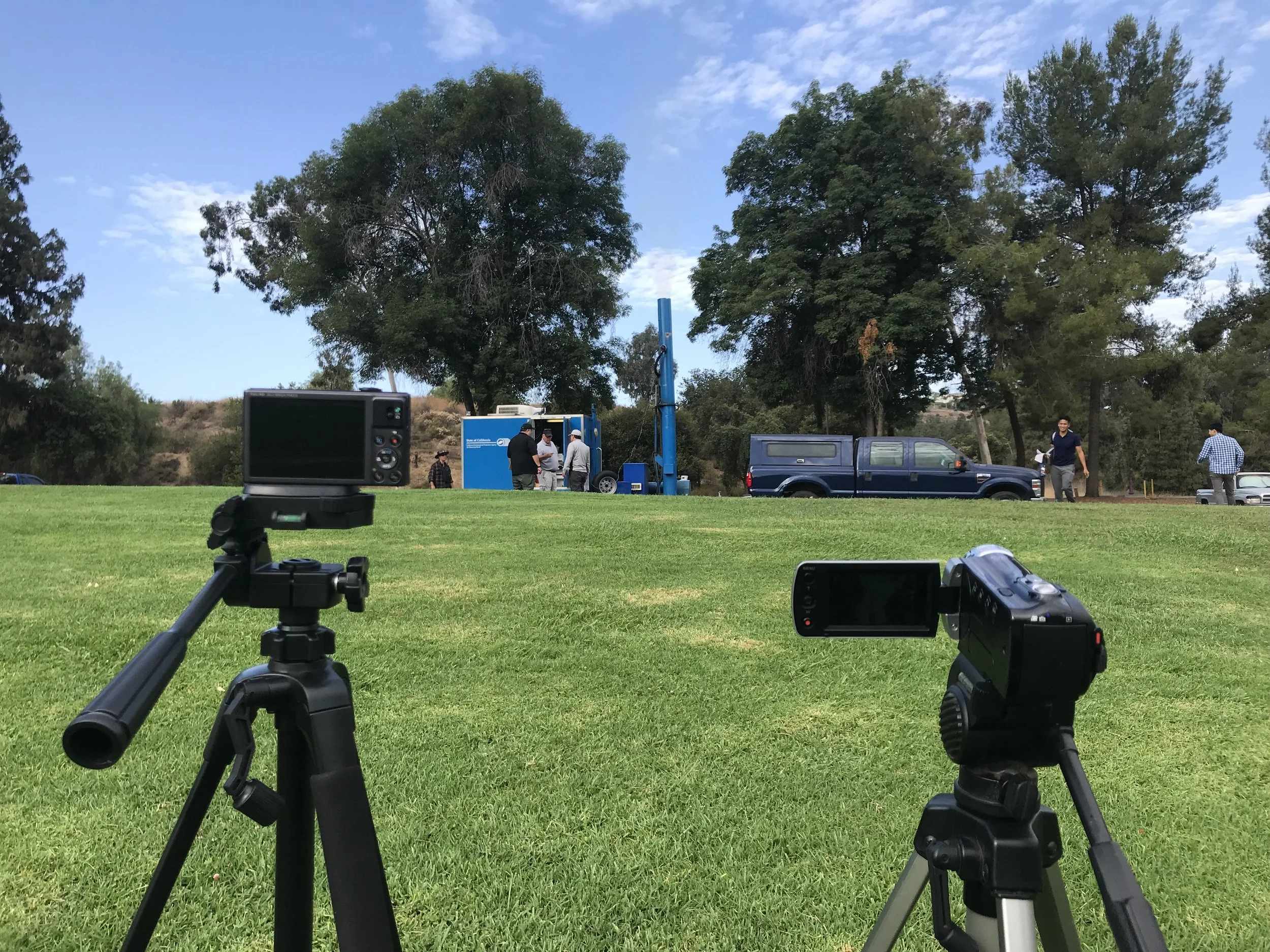
We deliver the one 4-hour DCOT training course ALT-082 requires, and coordinate configuration recertification through the national smoke school network.
Operator training and certification
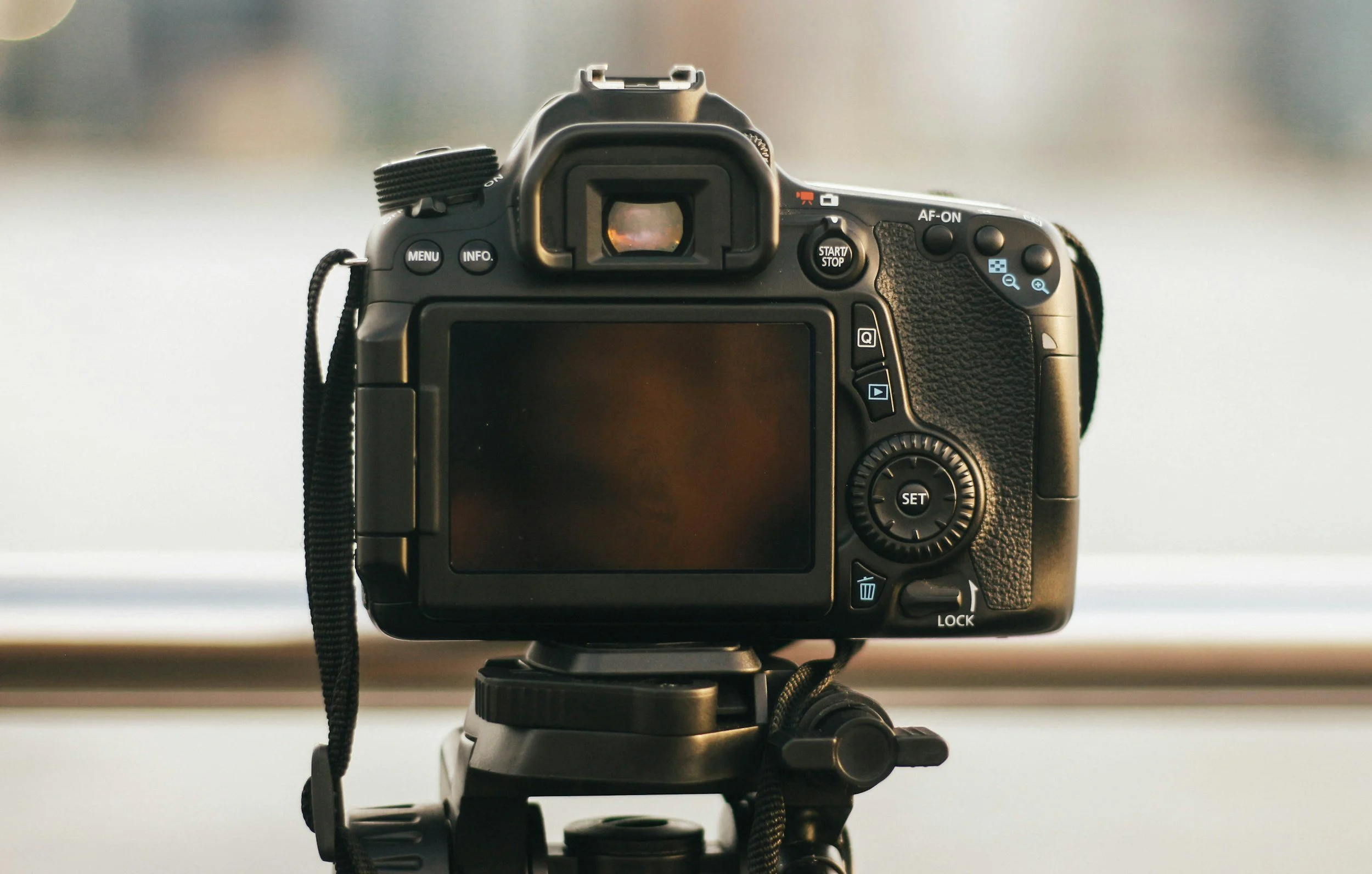
Certification records and defense support
A reading is only as good as what you can produce when it is questioned. We hold the certification record behind every configuration in the field, and stand behind the observations it produces.
DOCS II METHOD
How a DOCS II observation works
Every step follows the observation principles Method 9 already requires. The camera replaces the estimate, not the procedure.
A certified operator records the source with the certified DOCS II camera. In the DOCS II app they touch the emission point and their observation point on the map and enter the stack height. Distance, angles, sun position, weather and camera position are captured automatically alongside the imagery from NOAA.
1Capture in the field
Each frame is scored inside an analyst-defined region over the plume, measured against contrast and luminance values calibrated at smoke school with known opacity.
2Analyze against calibration
A trained reviewer confirms the reading before it becomes a formal observation. Both the analysis and the human decision are written to the record.
3Confirm and record
The completed observation, its source imagery and its full field metadata are retained and exportable as a compliance record for permit reporting, agency submittal, or later defense.
4File and retain

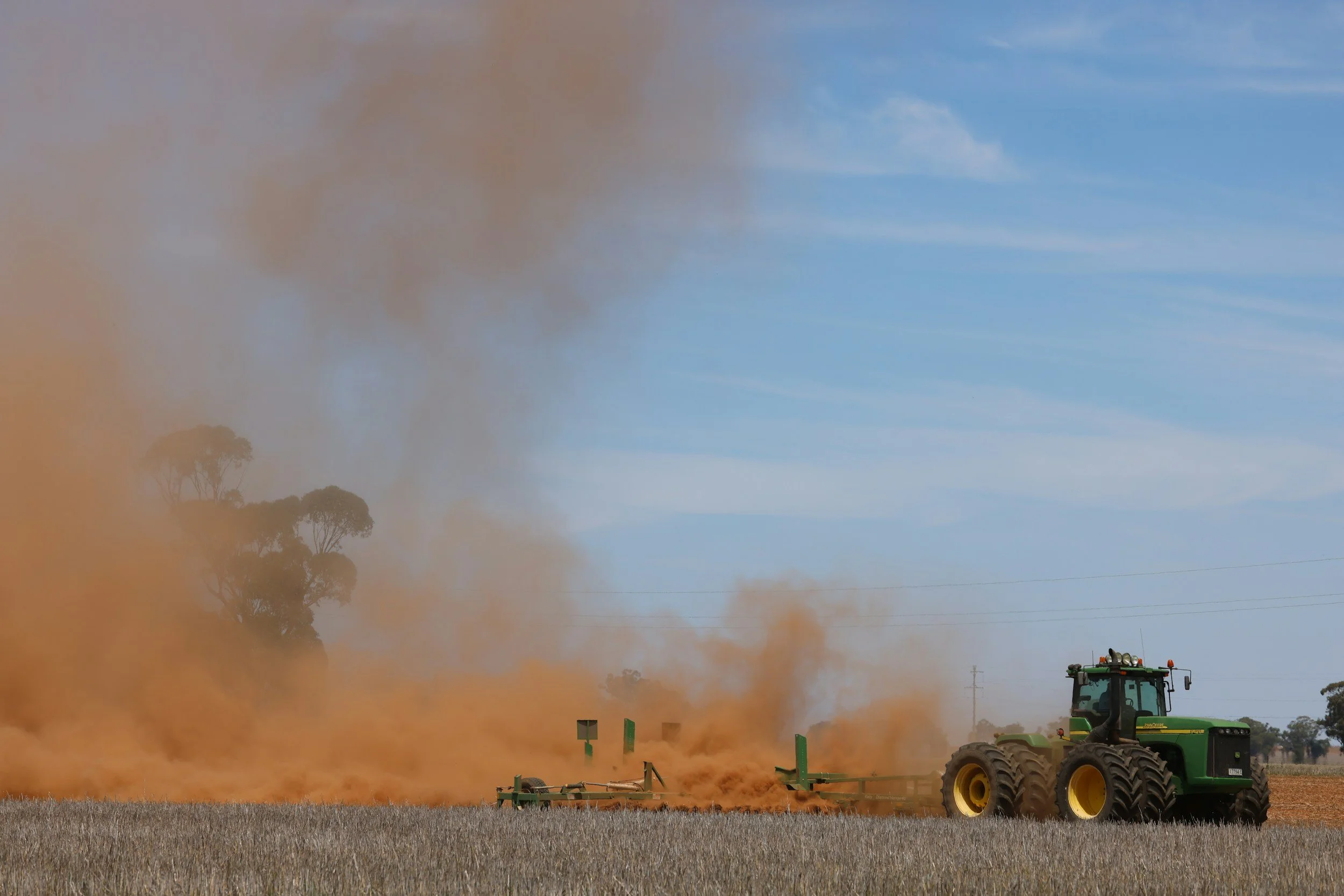
Proven equivalent. Approved by EPA.
Already in use.
Field studies found Method 9 and DOCS statistically equivalent at the 99 percent confidence level across scrubbers, generators, asphalt, steel and incineration sources.

WHERE WE’RE USED
Where DOCS II is used
Anywhere a permit sets an opacity limit and someone has to prove it was met.



REQUIRED BY RULE
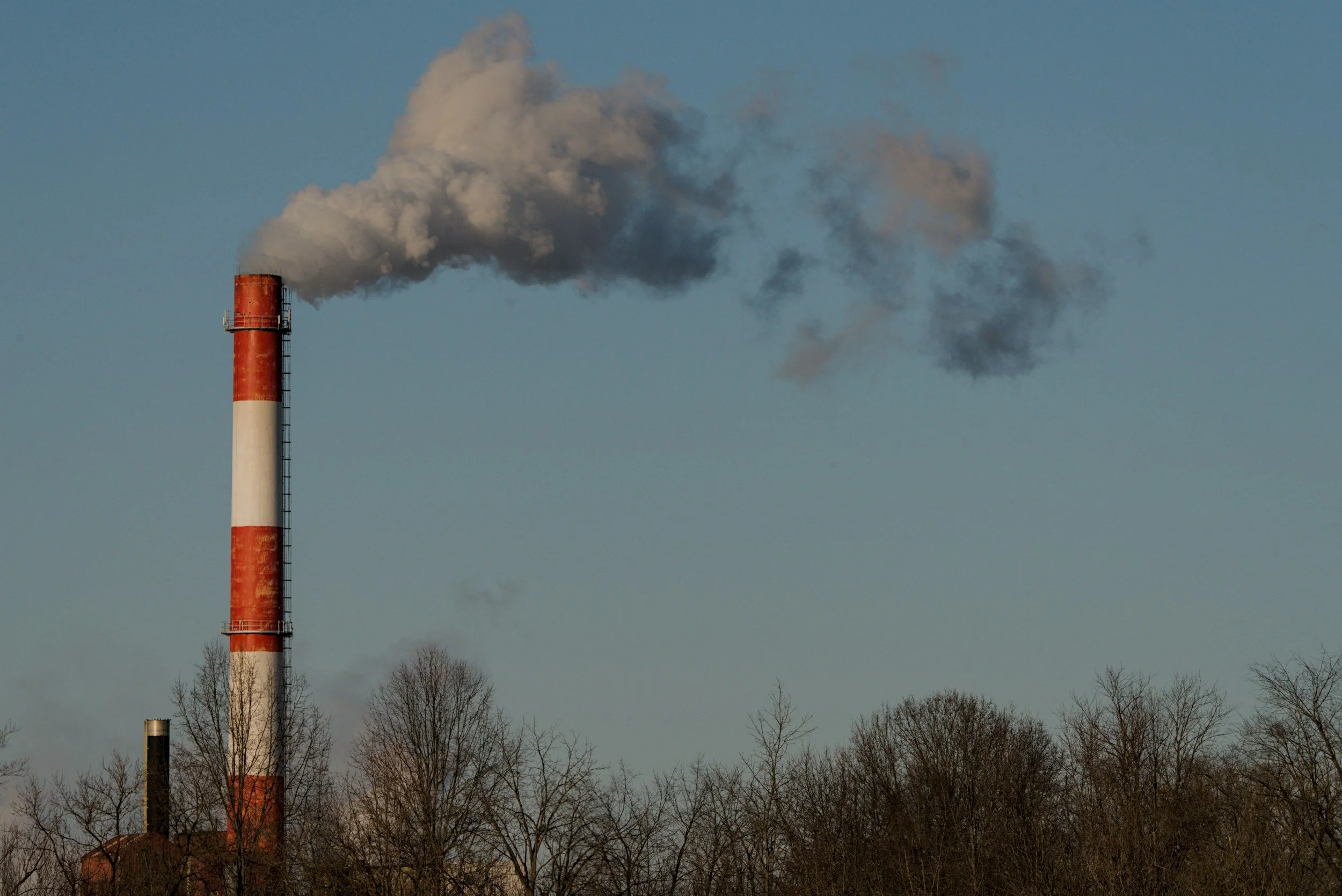
For ferroalloy producers,
EPA requires DCOT.
Under the Ferroalloys Production NESHAP, the digital camera opacity technique isn't offered as an alternative to Method 9. It's the specified method. Ferromanganese and silicomanganese producers must determine shop building opacity using ASTM D7520-16.
OUR TRACK RECORD
Twenty years of turning federal research contracts into methods that agencies actually accept.
DOCS II for the Department of Defense
2006-2008The Department of Defense was spending roughly $15 million a year certifying human Method 9 observers across its regulated sources. We were contracted in 2006 to test and validate the prototype, then rebuilt the system around what field observers and state inspectors said they needed. DOCS II shipped in 2008.
Client: US DoD / USAF
Outcome: Production platform, ongoing federal funding
ASTM D7520 standard development and certification
2009A digital method is only useful if regulators can adopt it. We worked toward a consensus standard through ASTM committee D22 on air quality, which approved D7520 in October 2009 as the performance standard for opacity measurement by digital camera. DOCS II completed certification under it the same year.
Partner: ASTM Committee D22
Outcome: Basis for EPA ALT-082 acceptance
National training and distribution
2010Adoption depended on the existing smoke school infrastructure, so we partnered with the country's largest smoke school operator to train and distribute DOCS II to field readers nationally rather than building a parallel training pipeline.
Partner: Eastern Technical Associates
Outcome: National operator training
EPA's Emissions Measurement Center approved ASTM D7520 as an alternative to Reference Method 9 for demonstrating compliance with federal opacity limits, subject to defined conditions. Published in February 2012 as a broadly applicable alternative method, it applies in lieu of Method 9 across 40 CFR Parts 60, 61 and 63. That approval is what allows a digital camera observation to stand in place of a reading made by eye.
Authority: US EPA, Emissions Measurement Center
Outcome: Federal acceptance of the method
EPA approval under ALT-082
2012DOCS II is in use outside the United States, including in Sri Lanka, Mexico and El Salvador.
Outcome: International adoption
International use
Current
IN THE FIELD
No more guessing.
Method 9 and DOCS II, side by side
Same observation principles, same five percent scale. What changes is who makes the determination, what you're left holding, and who carries the certification.
EPA METHOD 9
DOCS II SaaS
How the reading is taken
A certified observer estimates
opacity by eye
A camera captures the plume; opacity is calculated from the image
Who determines opacity
No —
the plume is gone
Yes —
the frame stays with the reading
The observer, in the moment
DOCS software
against calibrated values, verified by a
Virtual Technology certified analyst
Field Measurements
Compass, range finder and a hand sketch of sun, north and position
Touch the emission point and your
position on the map;
the app fills in the rest
What’s left behind
A number on a form
The reading, the image it came from,
and full field metadata
Can it be re-examined later?
Smoke school
Every observer,
every six months
One 4-hour training course. No more smoke school. We supply and maintain the certified configuration.
Regulatory standing
Reference method,
40 CFR Part 60, Appendix A
Broadly applicable alternative (ALT-082, Feb 2012), in lieu of Method 9 under Parts 60, 61 and 63;
required under the Ferroalloys NESHAP
Common questions
-
DOCS II doesn't retire Method 9. It's the EPA-approved alternative to making the reading by eye. EPA’s Broadly Applicable Alternative Method 082 (ALT-082), published in February 2012, allows ASTM D7520 to be used in lieu of Method 9 across 40 CFR Parts 60, 61 and 63. Every Method 9 observation principle still applies: sun angle, distance, the five percent scale and six-minute averages. What changes is that a certified camera configuration determines the reading, and the image stays with the record. State and local limits can have their own requirements, and we'll walk you through what applies to your sources.
-
The EPA's ALT-152 lets Method 9 observers certify in virtual reality. It saves the trip, but the six-month clock stays, and the reading is still a human estimate with no image behind it.
-
Once. Operators take one 4-hour DOCS II training course, delivered virtually, and stay certified for as long as they use the DOCS II camera. No more smoke school. We keep the camera configuration itself certified, every three and a half years.
-
The opacity readings, the source imagery they were derived from, the observer's position relative to the emission, direction of view, distance from the source, weather conditions, and the position of the sun at the date, time and place of the observation.
-
Government and military customers can procure directly through our GSA schedule. Commercial and industrial customers are licensed and onboarded directly — start with a demo and we'll scope it to your sites.
Bring us a source and we'll show you the record.
Tell us what you operate or regulate, and we'll walk through a real observation end to end — capture, analysis, confirmation, and what you're left holding.