
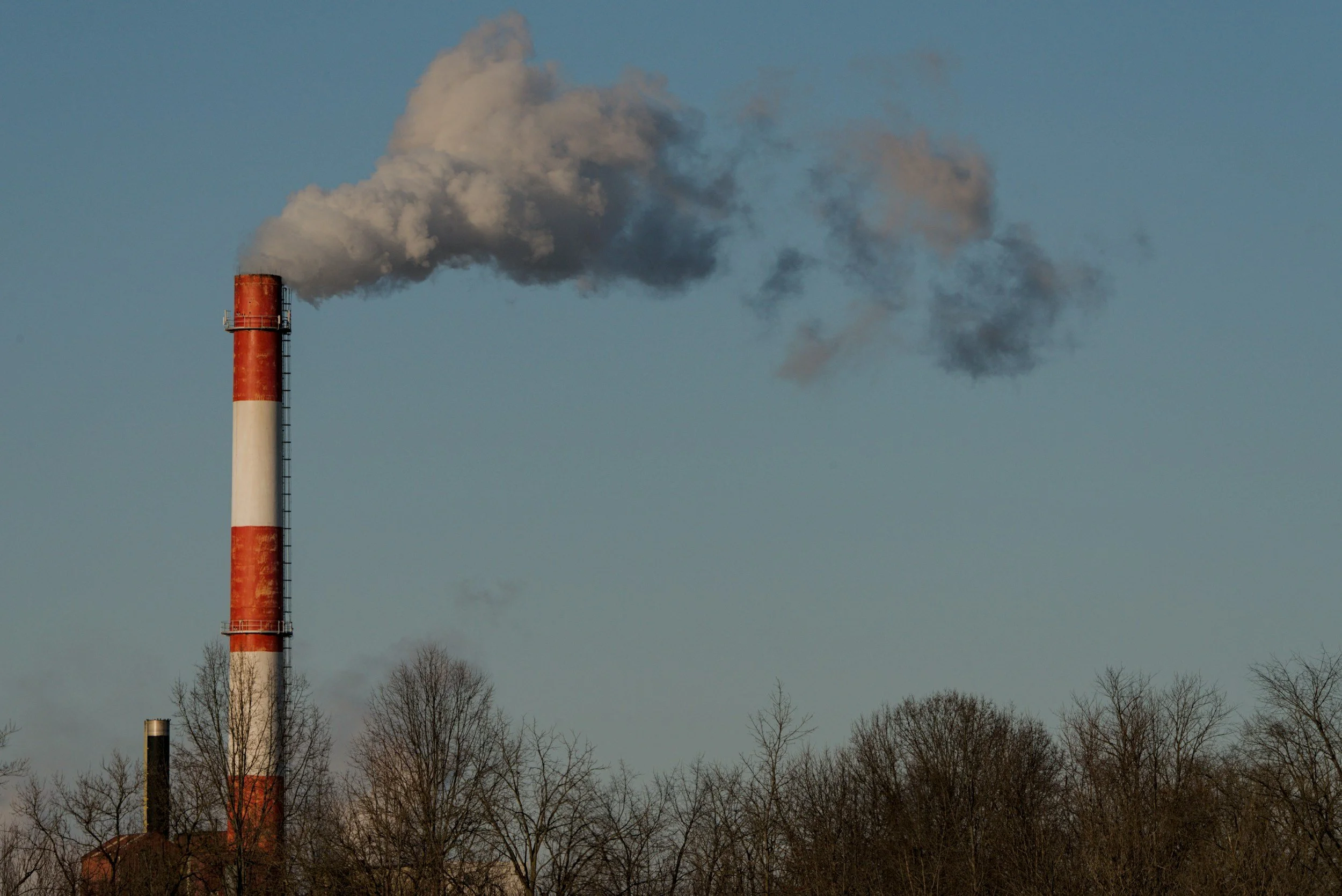
FOR AGENCIES AND REGULATORS
Skip the school, use the tool.
DOCS II replaces smoke school every six months with one 4-hour training course, and your inspectors stay certified for as long as they use the DOCS II camera. They capture the event in the DOCS II app, the certified configuration determines opacity, and a Virtual Technology analyst verifies it. Every reading keeps its imagery, GPS position, bearing, weather and sun angle.
The Department of Defense was spending roughly $15 million a year certifying Method 9 observers.
DOCS II was built for the
DoD to end that cost,
and it has been in production since 2008.
The problem
Your inspectors already have enough to carry.
Visible emissions inspections need trained personnel, careful observation and detailed documentation. Traditional opacity determination adds one more thing: every observer who takes a reading has to keep a reading qualification current.
DOCS II divides the work differently. Rather than asking every field inspector to perform the opacity determination, it separates the field observation from the analysis. Your observer records the emissions event and the conditions around it. DOCS II analyzes the imagery. Then, a certified analyst verifies the result.
What comes out is a consistent, documented opacity determination that does not rest on the judgment of whoever happened to be standing in the field.
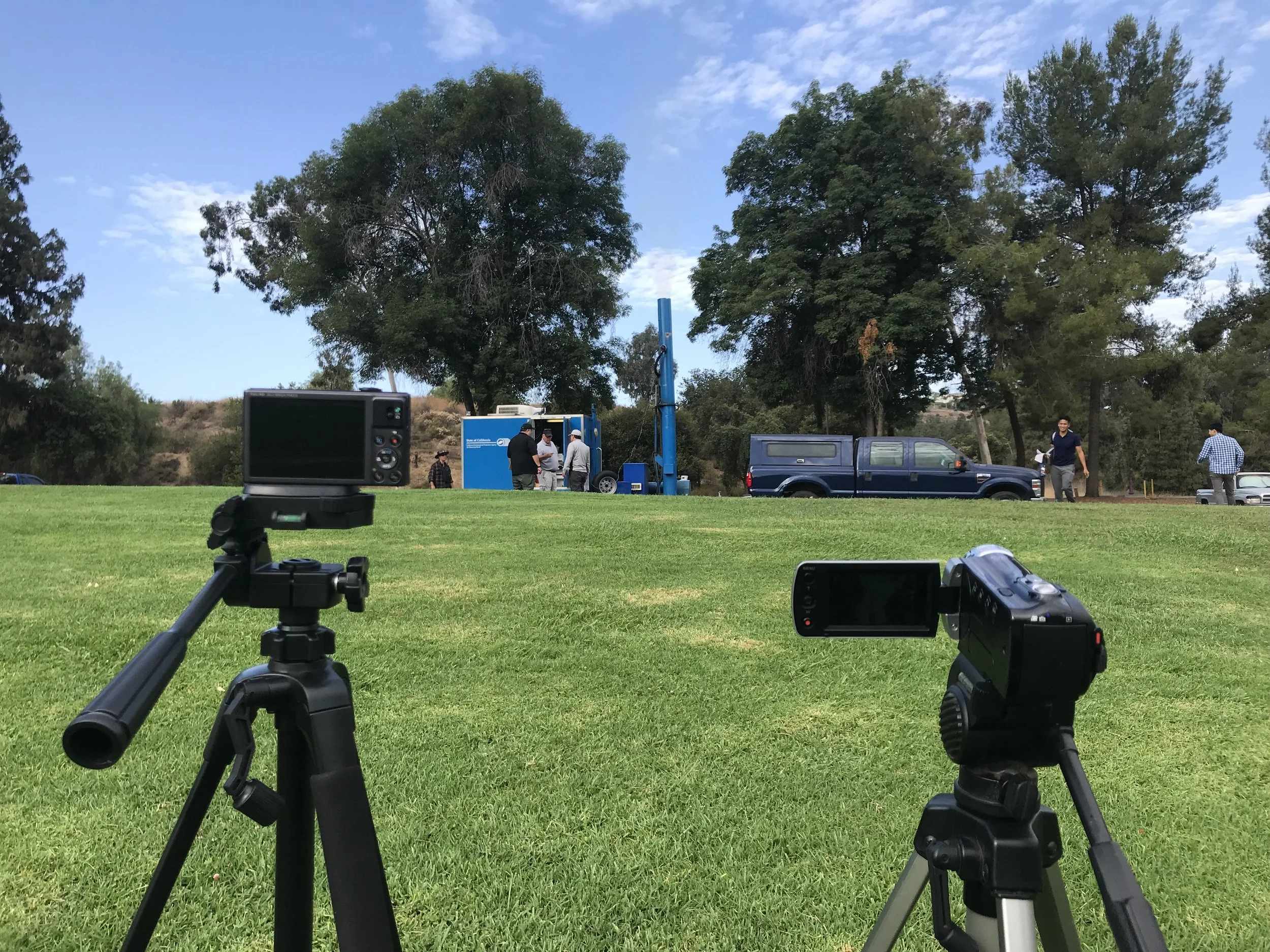
WE CERTIFY EACH OF OUR CAMERAS SO THAT YOU AND YOUR TEAM DON’T HAVE TO.
THE MODEL
Your inspectors inspect. DOCS analyzes.
Three stages, three different responsibilities. We certify each of our cameras so that you and your team don't have to.
Field · your staff
Agency observer
Capture the emissions event
Record the observation conditions
Submit the digital observation
Analysis · DOCS
DOCS II software
Process the imagery
Perform the opacity analysis against calibrated values
Generate the result
Verification · our staff
Agency observer
Review the analysis
Confirm or reject the reading
Sign the record
CERTIFICATION
Certification moves from the person to the camera.
Your team stops scheduling field recertification every six months.
Method 9 observer
Every 6 months
Smoke school twice a year, with the travel, the time and the cost, for every inspector who takes a reading. Every inspector who takes a reading has to keep it current, and a scheduling gap is a coverage gap.
DOCS II operator
One 4-hour course
Certified for as long as you use the DOCS II camera. We keep the camera configuration certified every 3.5 years, one certification covering every operator in a region or district.
What your observers need
One 4-hour DOCS II training course, which we deliver
Certified for as long as they use the DOCS II camera
There’s no six-month field-reading clock, because your observer is not the one determining opacity. ALT-082 places that requirement on the configuration, and we keep it current. Train your DOCS observers once, and they can get on with what they are there to do: capture and document the emissions event.
And the best part — DOCS II training is certified for life, so no more smoke school
One system, one workflow, consistent analysis.
ACROSS A PROGAM
The same procedure across every inspector, facility, district and inspection program in your jurisdiction.
Direct procurement through the GSA schedule
One certified configuration covering every inspector in a region or district
Operator training delivered for agency staff
Analysis performed the same way on every observation, regardless of who captured it
A complete trail from capture through analysis to verification
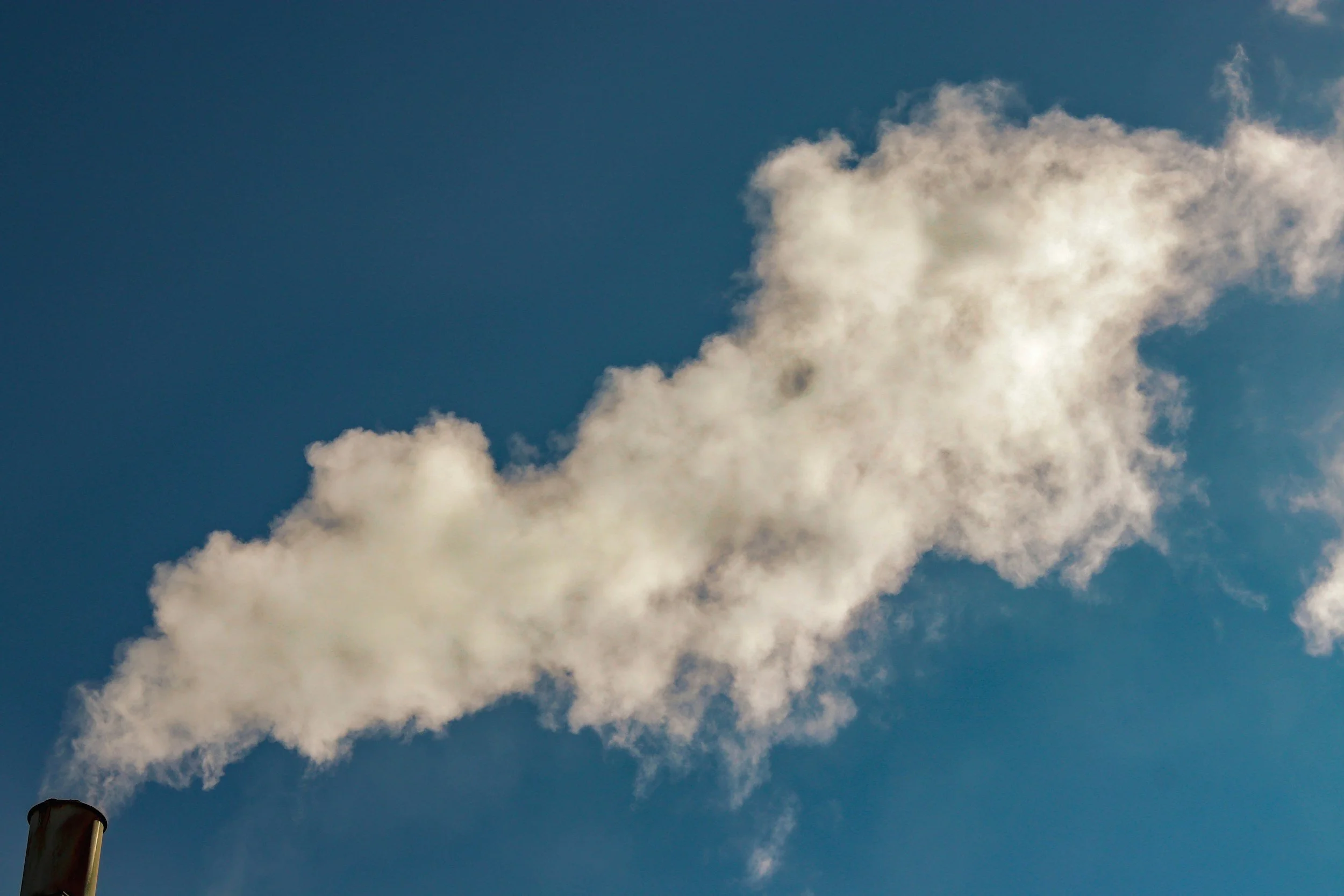
See what DOCS II does for your program.
We'll walk one emissions event all the way through — capture in the field, analysis, verification, and the record you're left holding. Bring a source you actually inspect.